 Frog Blog
Frog Blog
Frog Blog
Artificial Intelligence has made remarkable strides in understanding and generating human language, thanks to transformers—a revolutionary deep learning architecture. From chatbots to search engines, transformers power many of the AI applications we use daily. But what makes them so powerful, and how do they work? Let’s dive into the world of transformers and explore their impact on Natural Language Processing (NLP).
Transformers are a type of neural network architecture introduced in the groundbreaking paper "Attention Is All You Need" by Vaswani et al. in 2017. They have since become the foundation for state-of-the-art models like BERT, GPT, and T5.
Unlike traditional recurrent neural networks (RNNs) that process data sequentially, transformers use a mechanism called self-attention to process words in parallel. This allows them to understand context better and handle long-range dependencies in text efficiently.
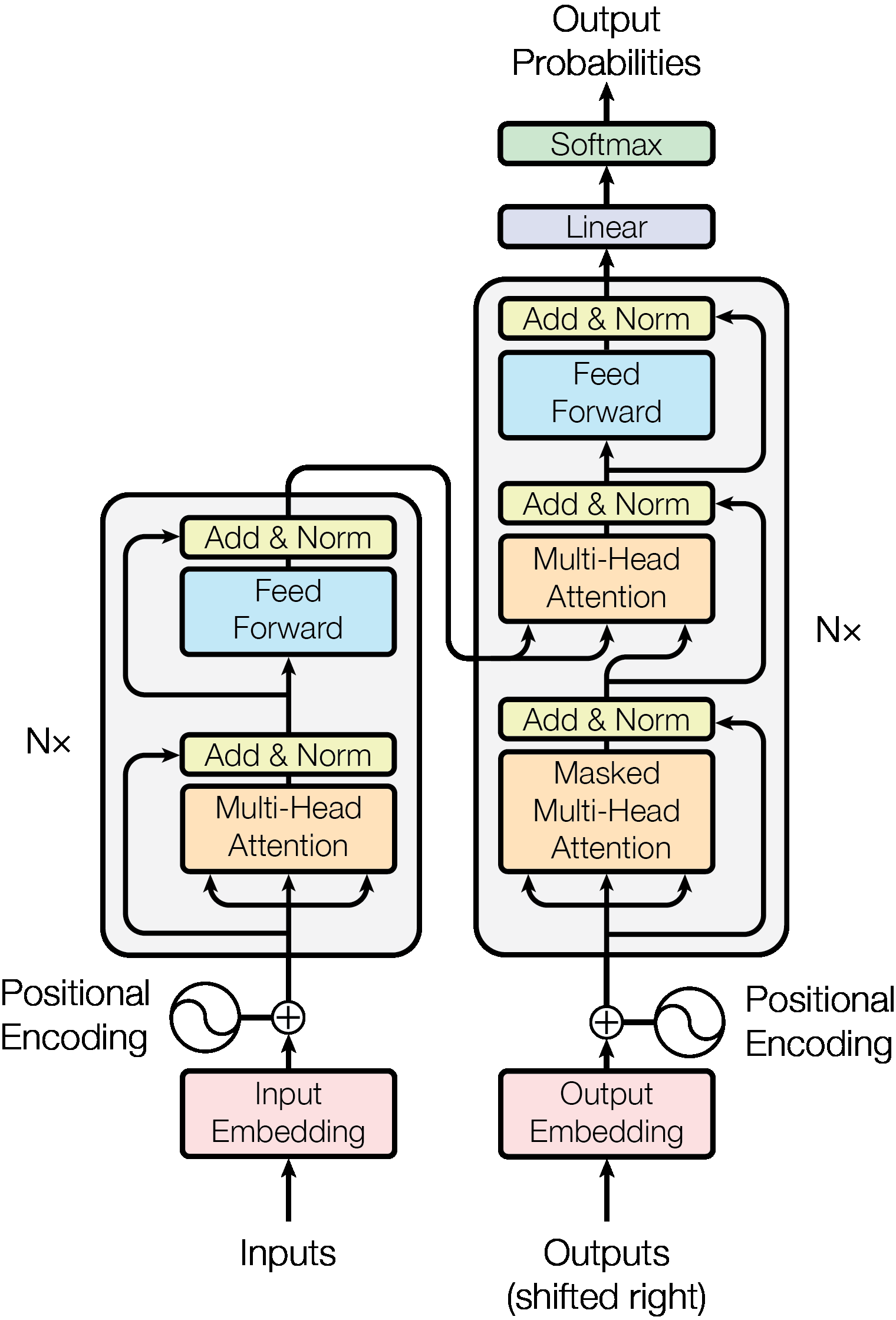
At their core, transformers rely on three main components:
This helps the model focus on relevant parts of the input text. Instead of reading words one at a time, transformers assign different attention scores to each word, understanding their relationships dynamically.
Since transformers process words in parallel, they need a way to capture word order. Positional encoding helps the model retain the sequence of words in a sentence.
These are fully connected layers that further refine the extracted features, enabling the model to make accurate predictions.
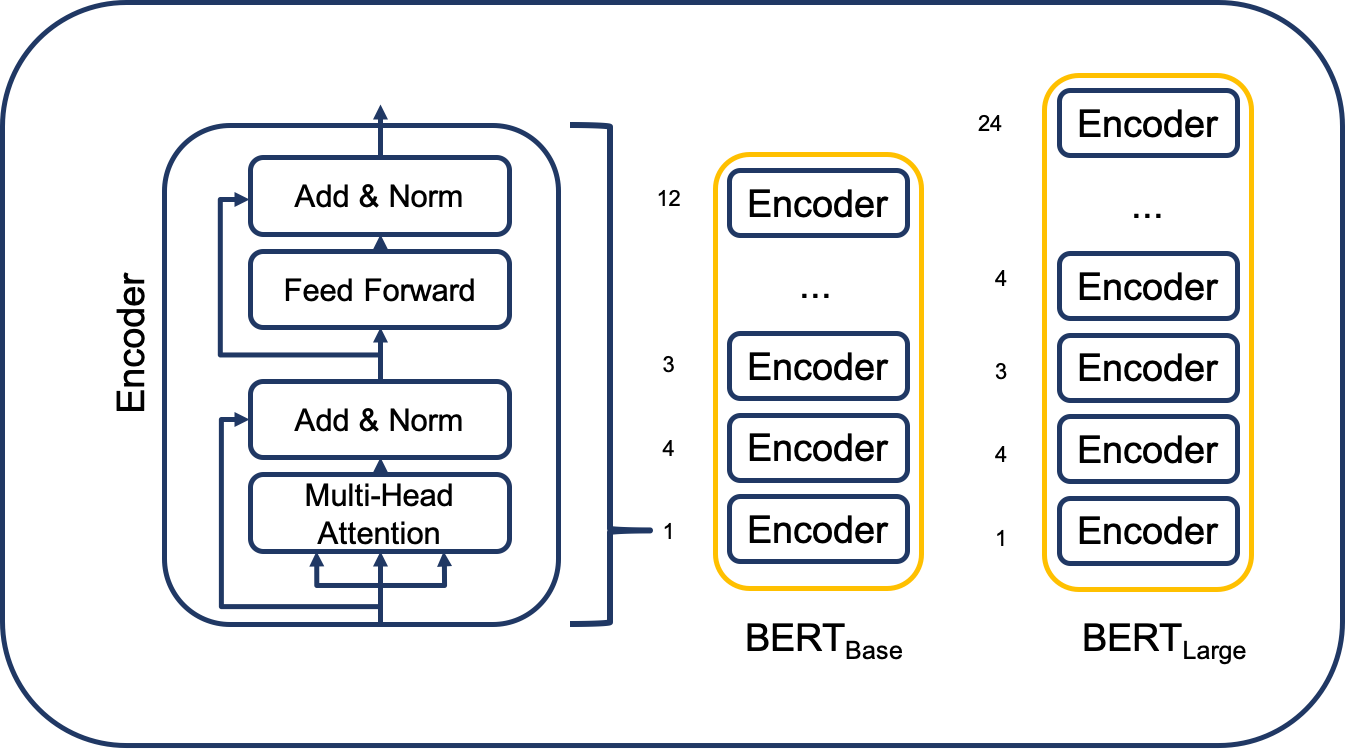 Key Transformer-Based Models
Transformers continue to evolve, with advancements like vision transformers (ViTs) extending their capabilities beyond text to images and video processing. With AI models becoming more efficient and accessible, we can expect even greater integration of transformer-based AI into our daily lives.
Transformers have reshaped the AI landscape, making NLP models more powerful, context-aware, and efficient. Whether it’s improving search engines, powering chatbots, or enabling creative AI-generated content, transformers are at the heart of modern AI breakthroughs.
As research progresses, we can look forward to even more sophisticated models that push the boundaries of what AI can achieve in language understanding and beyond. 🚀